
Galicia is an autonomous community in northwest Spain. In the northeast it borders with the Bay of Biscay, in the west with the Atlantic Ocean, in the east with Asturias and Castile and León, and in the south with Portugal. And it is composed of four provinces: A Coruña, Pontevedra, Orense and Lugo.
Cabo Fisterra, considered by the Romans the end of the world, it really is not the most western point of Spain and Galicia, as Cabo Touriñán exceeds it.
The region was invaded for the first time by the Romans in 137-136 B.C. .; later, in the fifth century A.D., he fell to the Suevi, who held it until the Visigoths in 585. The Moors domains briefly occupied the Galician territory until 739, when they were expelled by Alfonso I of Asturias.
The official languages of the Autonomous Community of Galicia are Galician and Spanish.
Natural areas
Beautiful places suitable for practicing outdoor sports activities:
- National Maritime-Terrestrial Park das Illas Atlánticas de Galicia
- LIC – Natura 2000 (European network of protected natural areas including the Places of Community Importance (L.I.C) and Special Bird Protection Zone (ZEPA)
- Natural parks: natural park Baixa Limia – Serra do Xurés; Dunar Complexo de Corrubedo; Fragas do Eume; Monte Aloia; O Invernadeiro; Serra da Encina from Lastra.
- Protected landscapes: Penedos de Pasarela, Traba and Val do río Navea.
Natural Monuments: Praia das Catedrais, Carballa da Rocha, Costa de Dexo, Fraga de Catasós, Pena Corneira, Souto da Retorta, Souto de Rozabales and Plegamiento geolóxico de Campodola-Leixazós. - Wetlands: Complexo intermareal Umia-O Grove; A Lanzada, pointing Carreirón and lagoa Bodeira; Rías de Ortigueira and Ladrido; Complexo das praias, lagoa y de Corrubedo dune; Lagoa and areal de Valdoviño; and Ría do Eo.
- Biosphere Reserves: Área de Allariz; As Mariñas Coruñesas and Terras do Mandeo; Os Ancares Lucenses and Montes de Navia, Cervantes and Becerreá; Río Eo, Oscos and Terras de Bouron; Terras do Miño; Xurés-Geres.
- Other natural spaces: Cova do Rei Cintolo; Serra da Groba; Serra do Suido.
- Natural site of tourist interest: Cape Vilan; Cumio from Curotiña; Devesa from Rogueira; Lagoa da Serpe; Lagoa de Ocelo.
Rías and beaches
One of the characteristics of Galicia is the presence of “rías”, long and narrow inlets that penetrate into the coastline as result of sea inundation in river valleys. The “rías” are traditionally divided into Rías Altas and Rías Baixas, depending on their position in relation to Fisterra.
- The Rías Altas are: Ribadeo, Foz, Viveiro and O Vicedo in Biscay, and Ortigueira, Cedeira, Ferrol, Betanzos, A Coruña, Corme, Laxe and Camariñas.
- The Rías Baixas bordering the Atlantic and are: Muros and Noia, Arousa, Pontevedra and Vigo.
Places, iconic monuments and cities in Galicia to see:
- Cathedral and the city centre of Santiago de Compostela: Santiago de Compostela has a characteristic historic centre that is part of the UNESCO World Heritage Site. Furthermore it preserves the remains of the apostle Santiago in its impressive Cathedral, the final destination of the Christian pilgrimage that crosses the peninsula Iberian. Read more about Santiago de Compostela here.
- Pontevedra: the religious architecture gives the city of Pontevedra a medieval aspect full of charm. Read more about Pontevedra here.
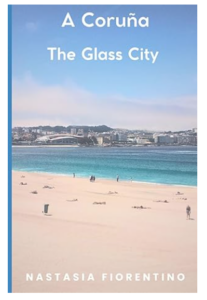
- The Tower of Hércules in A Coruña: A Coruña is a city with an important historical and cultural heritage that has very ancient origins. Click here to find out more about A Coruña or click here to read the GUIDE OF “A Coruña. The Glass City” click here.
- Vigo
- Ourense
- Lugo: it is a city with a delicious gastronomy and popular festivals that continue to hand down the Roman origins. Read more about Lugo here.
- Ferrol
- The hórreos de Combarro, in Ría de Pontevedra.
- Islas Cies
- The Roman wall of Lugo
- National Park das Illas Atlánticas
- Cabo Fisterra
- Ribeira Sacra and Canon do Sil
- Praia das Catedrais
A Coruña. The glass city
Wine tourism
Rías Baixas, O Ribeiro, Ribeira Sacra, Valdeorras and Monterrei are the five wines Designation of Origin from Galicia.
Food – Typical dishes
- Empanadas (stuffed pizza): Empanada de Congrio; Empanada de zamburiñas; Empanada Gallega de bacalao.
- Seafood: Almejas en salsa de albariño; Erizos de Veira; Langosta guisada; Ostras escabechadas; Percebes the aroma de San Jorge; Pulpo “Feira”; Salpicón de Centolla; Sopa de Pescado y Mariscos; Scallops a la gallega.
- Fish: Ensalada de bonito escabechado; Ensalada de “xoubas” mejillones de Galicia y los dos escabeches; Merluza a la Gallega; Salmón to Conde Ximonde; Trucha a la gallega.
- Meats: Aguja de Celtic pork to Mencía wine with castañas; Chicken a la sal de Mos; Bocaditos de lacón con queso rebozados; Callos a la gallega; Capón to the Vilabesa; Cocido gallego; Perdices estofadas rellenas.
- Soup: caldo gallego, caldo de castañas, sopa de mariscos.
- Vegetables: Ensalada de grelos; Fabas with almejas; Patata de Galicia gratinada; Tartaleta de potato with jamón de Galicia.
- Sweets: Bica; filloas; Flan de queso de O Cebreiro; Tarta de Mondoñedo; Semi-liquid Tarta de Santiago; Torta de chicharrones.
Music
Typical instruments like the Galician gaita are still played and appreciated. There are numerous musical events, such as the Origueira Celtic Festival.
How to arrive to Galicia:
By plane: Lavacolla (Santiago), Peinador (Vigo) e Alvedro (A Coruña)
By bus
By train

